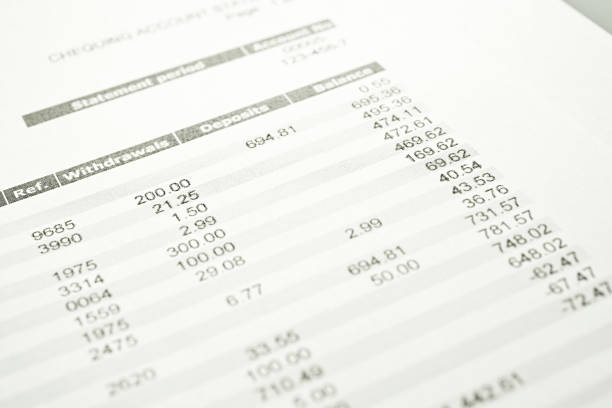
Financial statements serve as the bedrock of financial analysis, offering invaluable insights into the fiscal health and performance of businesses. Whether you’re an investor evaluating potential investments, a business owner assessing company performance, or simply seeking to enhance your financial literacy, understanding how to read and interpret financial statements is essential. In this guide, we’ll demystify financial statements, providing a comprehensive overview of their components, key metrics, and practical insights for analysis.
The Components of Financial Statements
Financial statements typically include three primary components:
- Balance Sheet: The balance sheet provides a snapshot of a company’s financial position at a specific point in time, detailing its assets, liabilities, and shareholders’ equity. Assets represent what the company owns, liabilities reflect its obligations, and shareholders’ equity represents the residual interest in the company’s assets after deducting liabilities.
- Income Statement: The income statement, also known as the profit and loss statement, summarizes a company’s revenues, expenses, and net income over a specific period, typically a quarter or fiscal year. It highlights the company’s ability to generate profits from its operations and is crucial for assessing profitability and performance.
- Cash Flow Statement: The cash flow statement provides a detailed analysis of a company’s cash inflows and outflows during a specified period, categorizing cash flows into operating activities, investing activities, and financing activities. It offers insights into the company’s liquidity, solvency, and ability to generate cash to meet its obligations.
Key Metrics & Ratios for Analysis
Several key metrics and ratios can help analyze the financial health and performance of a business:
- Liquidity Ratios: Liquidity ratios, such as the current ratio and quick ratio, assess a company’s ability to meet its short-term obligations using its current assets. Higher liquidity ratios indicate a stronger ability to cover short-term liabilities.
- Profitability Ratios: Profitability ratios, including gross profit margin, operating profit margin, and net profit margin, measure a company’s ability to generate profits relative to its revenues or costs. Higher profitability ratios indicate greater efficiency and profitability.
- Debt-to-Equity Ratio: The debt-to-equity ratio compares a company’s debt to its shareholders’ equity, providing insights into its leverage and financial risk. A higher debt-to-equity ratio indicates higher financial leverage and potential solvency risks.
- Return on Investment (ROI): ROI measures the return generated on an investment relative to its cost. It is calculated by dividing net profit by the initial investment and is used to assess the efficiency and effectiveness of investment decisions.
Practical Insights for Analysis
When analyzing financial statements, consider the following practical insights:
- Compare Across Time: Compare financial statements over multiple periods to identify trends, patterns, and changes in performance over time. Look for consistent growth or deterioration in key metrics and ratios.
- Benchmark Against Peers: Compare financial statements against industry benchmarks and competitors to assess relative performance and identify areas of strength or weakness.
- Consider Context and Industry Dynamics: Consider the broader economic context, industry dynamics, and company-specific factors when interpreting financial statements. Understand the impact of economic trends, market conditions, and competitive forces on financial performance.
- Focus on Cash Flow: Pay close attention to the cash flow statement, as it provides insights into a company’s ability to generate cash and its overall financial health. A company can show profits on the income statement but still face cash flow challenges if revenues are not collected promptly or if expenses exceed cash inflows.
Conclusion: Empowering Financial Literacy
In conclusion, understanding how to read and interpret financial statements is essential for informed decision-making and financial literacy. By mastering the components of financial statements, analyzing key metrics and ratios and applying practical insights for analysis, individuals can gain valuable insights into the financial health and performance of businesses. Whether you’re an investor, business owner or financial enthusiast, proficiency in reading financial statements is a fundamental skill for navigating the complexities of the financial world and achieving financial success.